
Upgrade Head Unit vs Speakers: The Truth About Where Big Gains Come From
Every audio build starts with the same question: upgrade head unit vs speakers. Most drivers want louder, cleaner, harder hitting sound. The debate is real. Is a new deck the smart move or should you drop cash on fresh drivers first? At Fox River Audio in Burlington, WI, we tune and install systems every day across cars, trucks, boats, motorcycles, UTVs, ATVs, and Jeeps. The right first step depends on what is holding your system back. Here is how to tell when a head unit delivers bigger gains than speakers, what it costs, and how to make a plan that actually thumps.
What Your Head Unit Really Controls
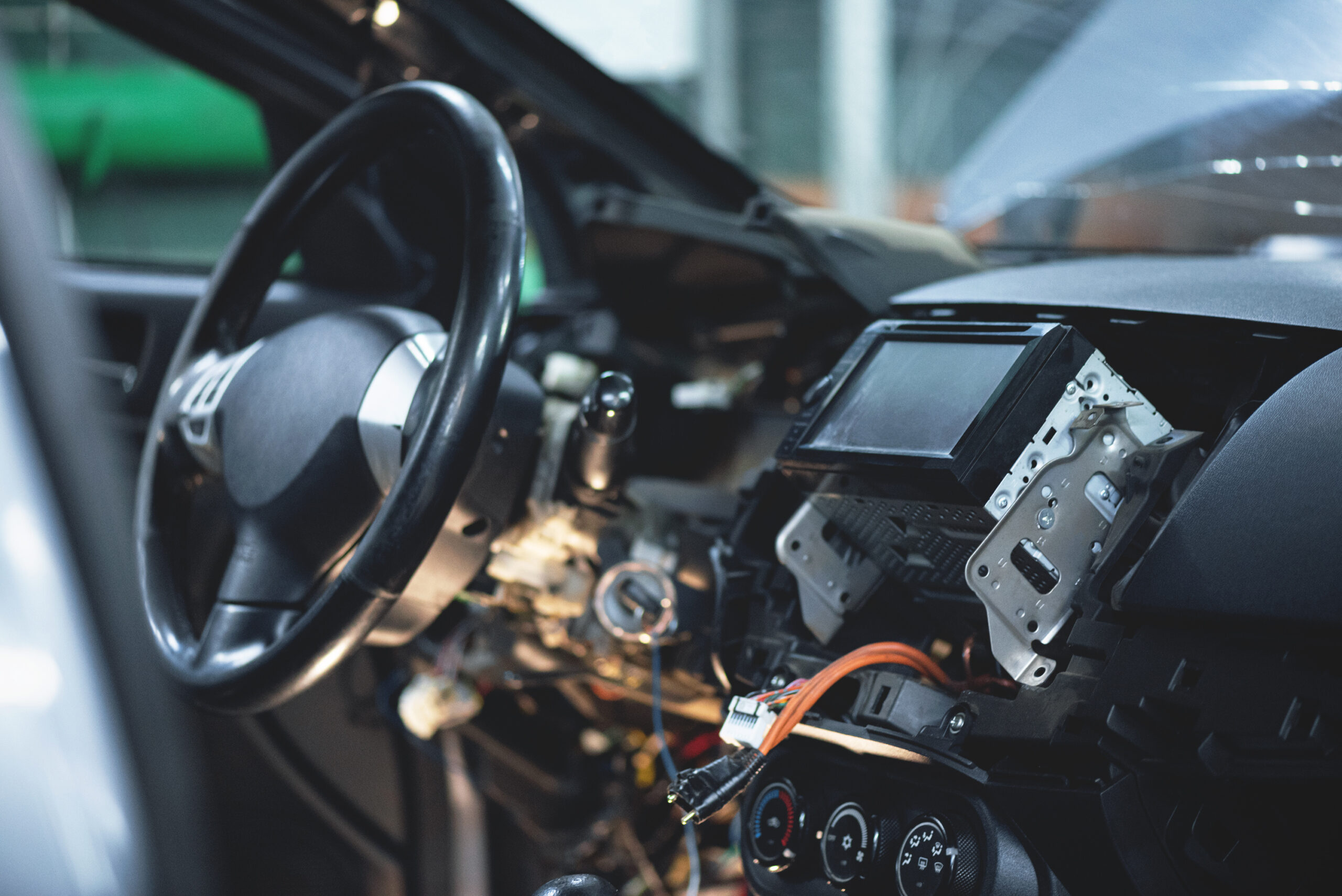
The head unit is more than a pretty face on your dash. It is the brain, the traffic cop, and the DJ booth all in one. When people compare upgrade head unit vs speakers, they often forget how much a modern deck does for sound quality, system control, and future upgrades.
Power and Clean Signal
Factory stereos often run out of steam fast. Many put out around 8 to 12 watts RMS per channel into real-world loads. Aftermarket head units typically deliver cleaner power in the 14 to 20 watts RMS range with better distortion control at volume. That difference matters, especially with stock or efficient speakers. Even more important is preamp voltage. Many premium decks give you 4 to 5 volt preouts that feed amps a stronger, cleaner signal. That means less noise, less hiss, and tighter bass when you add subs later. If you plan to expand your system, preouts with adequate voltage and multiple channels are a huge advantage.
DSP and Tuning Tools
Modern head units bring built-in signal processing that reshapes your sound stage. Crossovers let you direct highs to tweeters and lows to midbass or subs. Time alignment shifts speaker timing so your music feels centered on the dash instead of pulled to the door. Parametric or multi-band EQ fixes peaks and dips from your cabin. Even a basic 13-band EQ gives you control that a factory radio rarely offers. With the right deck, you can tune a set of budget speakers to outperform premium ones driven by a weak factory radio.
Connectivity and Source Quality
Better source equals better sound. Today’s decks bring wired Apple CarPlay and Android Auto for clean, direct digital audio. Many also support lossless files over USB like FLAC and WAV, along with high-bitrate streaming that beats old Bluetooth codecs. Solid Bluetooth with modern codecs plus a good USB DAC raises your noise floor and clarity. If your current deck is older, your speakers might be starved by crushed, noisy input.
When the Head Unit Upgrade Wins
If you are weighing upgrade head unit vs speakers, these signs point to replacing the deck first for bigger, immediate gains.
- Your volume tops out early and the highs turn harsh or gritty.
- Music collapses at higher volume, with bass smearing and vocals losing detail.
- Your factory radio has no RCA preouts or only one low-voltage output, limiting clean amp expansion.
- You lack CarPlay or Android Auto and are stuck with weak Bluetooth that sounds flat.
- Balance and staging are off, with vocals stuck to a door instead of centered on the dash.
- Your EQ is basic bass-mid-treble with no crossovers or time alignment to shape the system.
- You plan to add a sub and amp soon and want strong preouts plus a clean source to feed them.
- You own a boat, bike, or UTV and need a weather-ready marine head unit designed for harsh environments.
In all these cases, a modern head unit unlocks more from your current speakers right away. You get cleaner power, smarter tuning, better sources, and a foundation that makes every future upgrade hit harder.
Vehicles Where a Deck Swap Is a Home Run
Older cars and trucks with single-DIN or double-DIN openings are perfect candidates. Many Jeeps, classic pickups, and base trim vehicles welcome a clean deck swap with no drama. Marine and powersports rigs also benefit when you move to a marine-grade source unit with sealed controls and strong preouts. Fox River Audio stocks proven decks from Kenwood, JL Audio, and Rockford Fosgate that crush signal quality and survive real-world use. Swing by our 27,000 sq ft showroom to test drive options on our interactive demo displays and hear the difference for yourself.
When Speakers Should Come First
Sometimes the weak link is not the head unit. If the speakers are damaged or cannot keep up, new drivers are the smart first move.
- Your speakers distort at any volume and you can see cracked surrounds or hear rattling.
- One side is much quieter, points to a dying driver or corroded terminals.
- Paper cones in a base trim vehicle fall apart in humidity or after years of sun.
- Convertible, Jeep, motorcycle, or UTV setups need weather-resistant drivers and higher sensitivity for open-air volume.
- Factory tweeters spit harsh highs and overwhelm vocals.
- There are no rear speakers or the stock sizes are tiny and in poor locations.
If the hardware is broken or way too basic, fresh speakers deliver immediate clarity and volume. Efficient, well-placed drivers fed by even a decent factory radio can shock you. Fox River Audio installs component and coaxial sets that fit tight factory spots and withstand the Midwest climate. For boats and bikes we use real marine-grade and weather-ready options that take spray, dust, and vibration without skipping a beat.
Newer Vehicles With Integrated Controls
Modern vehicles often route climate, vehicle data, and warning chimes through the factory radio. In these cases, upgrade head unit vs speakers is not a simple choice. A straight deck swap might require an advanced interface to keep factory features. Sometimes the better first move is high-quality speakers plus a compact amplifier or DSP that integrates with the stock head unit. With the right interface, you get power and tuning without losing factory controls. Fox River Audio uses vehicle-specific modules and harnesses to preserve features and still deliver serious sound. If a deck swap is possible without a headache, we will map that path. If not, we build around the factory radio and still give you the punch and control you want.
Cost Comparison and What To Expect
Budgets matter. Here is a realistic look at price ranges and where the value lands. Final pricing depends on your vehicle, parts, and goals.
- Head unit: about 300 to 1,200 for solid CarPlay and Android Auto models. High-end models can push higher with extra DSP and wireless features.
- Dash kit and mounting parts: about 30 to 200 depending on vehicle fit and finish.
- Wiring harness and data interface: about 20 to 200. Advanced modules that retain steering controls or vehicle settings can add cost.
- Installation: about 150 to 400 for most vehicles. Complex or premium vehicles may take more time.
- Backup camera add-on: about 100 to 300 plus install if you want a full safety upgrade.
- Speakers: coaxial pairs often run 100 to 300. Component sets usually 200 to 600 per pair.
- Sound treatment: 100 to 300 per pair of doors to lock in midbass and reduce road noise.
- Speaker installation: 150 to 400 depending on doors, adapters, and complexity.
In many builds, a new head unit lifts the whole system and sets the stage for a clean amp and sub later. In others, especially when speakers are blown or water damaged, drivers are step one. Fox River Audio backs every install with a lifetime workmanship warranty. Our team has decades of experience and knows how to stretch your budget without cutting corners.
Five-Minute Driveway Tests To Choose Your First Upgrade
Still stuck on upgrade head unit vs speakers? Try these quick checks before you buy.
- Volume sweep: Play a familiar track. Raise volume slowly. If the sound gets harsh or the bass falls apart past halfway, your source is clipping. A head unit will help.
- Balance check: Center the EQ and balance. If vocals pull hard to one door, your time alignment and staging are poor. A deck with tuning tools can fix this fast.
- Tone burst: Play songs with strong bass hits. If the doors buzz, you may need speakers and door treatment. If the buzz is mild but the bass is thin, the head unit and a sub path will pay off.
- Source A/B: Compare Bluetooth to USB. If USB sounds night and day better, your radio’s Bluetooth is weak. A new deck with modern codecs will tighten things up.
- Silent test: With the system paused, crank the volume. Hiss or whine points to low-quality preouts or poor filtering. A better head unit lowers noise and cleans the signal.
Real-World Upgrade Paths That Work
The Daily Driver
You commute, want CarPlay or Android Auto, and plan to add a sub this year. Start with a quality head unit that gives you 4 to 5 volt preouts, crossovers, and time alignment. Keep the stock speakers for now. Add a compact sub and amp later. Finish with front component speakers when the budget resets.
The Weekend Jeep
Doors off, top off, music needs to cut through wind and road. Go with a weather-ready head unit that has strong preouts and bright screen visibility. Pair it with efficient, weather-resistant speakers and a marine-rated amp. Add sound treatment to pods or enclosures for tighter midbass. Fox River Audio builds Jeep-specific setups that survive trails and still sound crisp.
The Newer SUV With Loaded Tech
Factory screen controls climate and cameras. Keep the stock head unit for now. Add a DSP amp that integrates with the factory signals and delivers real power with tuning. Upgrade front speakers and treat the doors. You get a stealth build that looks stock, hits hard, and keeps every factory feature. Fox River Audio handles the integration so it behaves like OEM, just louder and cleaner.
Why Fox River Audio
Fox River Audio is a locally owned and operated vehicle electronics and customization shop. We work out of a recently renovated 27,000 sq ft facility in Burlington, WI. Our team brings decades of installation experience across cars, trucks, boats, bikes, UTVs, ATVs, Jeeps, and fleet vehicles. We carry heavy hitters like Rockford Fosgate, Kenwood, and JL Audio. Our interactive demo displays let you try before you buy so you can hear the difference between upgrade head unit vs speakers in real time. We back our work with a lifetime workmanship warranty because we build it like it is our own ride.
Beyond audio, Fox River Audio installs remote start systems, security upgrades with keyless entry and alarm integration, GPS tracking, LED and HID lighting upgrades, custom lighting for trucks and Jeeps, bed covers and bumpers, and safety gear like dash cams, backup cameras, parking sensors, and blind spot monitoring. If it makes your ride smarter, safer, or louder, we are your crew.
FAQ: Upgrade Head Unit vs Speakers
Q: Will new speakers sound bad on a stock head unit? A: Not if you choose efficient models and tune them right. But a weak factory radio can still limit dynamics. If your stock deck has poor EQ and no power, you may not hear the full potential of premium speakers.
Q: Is a head unit upgrade enough without an amp? A: For many drivers, yes. A modern deck with clean power and strong preouts tightens bass and clears up mids. Add an amp when you want more slam. The key is that a better source sets the stage for future upgrades.
Q: What if my vehicle cannot easily take a new head unit? A: Keep the factory radio and add a DSP amp and speakers. You get real tuning and power while retaining all factory features. Fox River Audio does this every day on complex vehicles.
Q: I only care about bass. Should I skip the head unit? A: You can add a sub and dedicated amp with a line-level interface. It will hit. Still, a good head unit gives you better control, cleaner signal, and easier system growth. If the budget allows, start with the deck then add the sub.
Q: Is sound treatment worth it? A: Yes. Treating doors reduces resonance and road noise. It makes your speakers act like they live in a solid enclosure. You get deeper midbass and cleaner vocals at every volume.
The Bottom Line on Upgrade Head Unit vs Speakers
If your music turns harsh at half volume, if you lack modern sources and real tuning tools, or if you want to build a full system over time, pick the head unit first. A strong deck raises the ceiling for your entire build. If your speakers are worn, buzzing, or not weather-ready for your vehicle’s use, start with drivers and treat the doors. In newer vehicles with heavy integration, consider DSP and speakers first, or let Fox River Audio map a clean head unit path with the right interfaces.
Either way, you do not have to guess. Bring your ride to Fox River Audio, try our demo wall, and hear the difference. We will listen to your goals, show you clear upgrade paths, and deliver a system that slaps without draining your wallet. Whether you roll a daily commuter, a trail Jeep, a street bike, or a wake boat, we tune for your life. Ready to unlock better sound? Stop by Fox River Audio in Burlington, WI, and let’s build it right the first time.

