The stock stereo in most Jeep Wranglers was never really built for the way people actually drive them. Wind noise, trail noise, open-air riding with the top off, highway cruising at 70 mph: every one of those situations exposes just how underpowered the factory system really is. If you’ve been turning the volume up and still not hearing much, you’re not imagining it. Finding the best aftermarket stereo for your Jeep Wrangler isn’t just about louder sound; it’s about getting audio that actually keeps up with the vehicle.
This guide walks through what makes Wrangler audio genuinely different from other installs, what features to prioritize, how speakers and head units work together, and what a professional installation covers that a DIY swap usually misses.
Why Upgrading a Wrangler’s Stock Stereo Is Worth It
Most Wrangler owners notice the factory stereo’s limits within the first few months of ownership. Pre-2018 models are especially known for weak output, thin bass, and speakers that distort well before you hit a useful volume level. Even newer factory systems tend to disappoint once you take the Wrangler off pavement or pull the top off for a summer run.
An aftermarket head unit changes a lot at once. You get more output power, smarter smartphone integration, and the ability to pair proper speakers and amplifiers that the factory system simply can’t drive. The head unit is the brain of the whole setup. Start there, and every upgrade you add later builds on a solid foundation.
Resale value is a quieter reason, too. A clean, professionally installed audio system with Apple CarPlay and a quality touchscreen is something the next buyer actually notices. It’s a visible upgrade, not a hidden one.
What Makes Jeep Wrangler Audio Different From Other Vehicles
Wranglers present acoustic challenges that most other vehicles don’t. The body-on-frame construction, large open cabin, and convertible top options all work against sound quality in ways a sedan or even a pickup truck doesn’t have to deal with.
Soft tops are the biggest offender. They absorb almost no road or wind noise, so at 55 mph you’re fighting a constant wall of competing sound. Hardtops help, but they introduce their own resonance issues inside the cab. Either way, low-powered speakers get buried fast.
Wind noise at off-road speeds is another real factor. When you’re crawling a trail with the doors off, ambient noise isn’t as intense, but the cabin is essentially open air. You need drivers with enough sensitivity to stay audible without cranking an amplifier past its limits.
Factory Wrangler systems, particularly in JK-generation models (2007 to 2018), used low-wattage head units paired with speakers that weren’t rated for serious output. The result is a system that sounds acceptable in a quiet parking lot and falls apart everywhere else. That’s the core argument for upgrading.
Types of Aftermarket Head Units That Work Well in a Wrangler
The Wrangler’s dash accepts a double-DIN opening, which is the standard size for today’s touchscreen receivers. That’s good news: virtually every modern aftermarket head unit fits without unusual modifications.
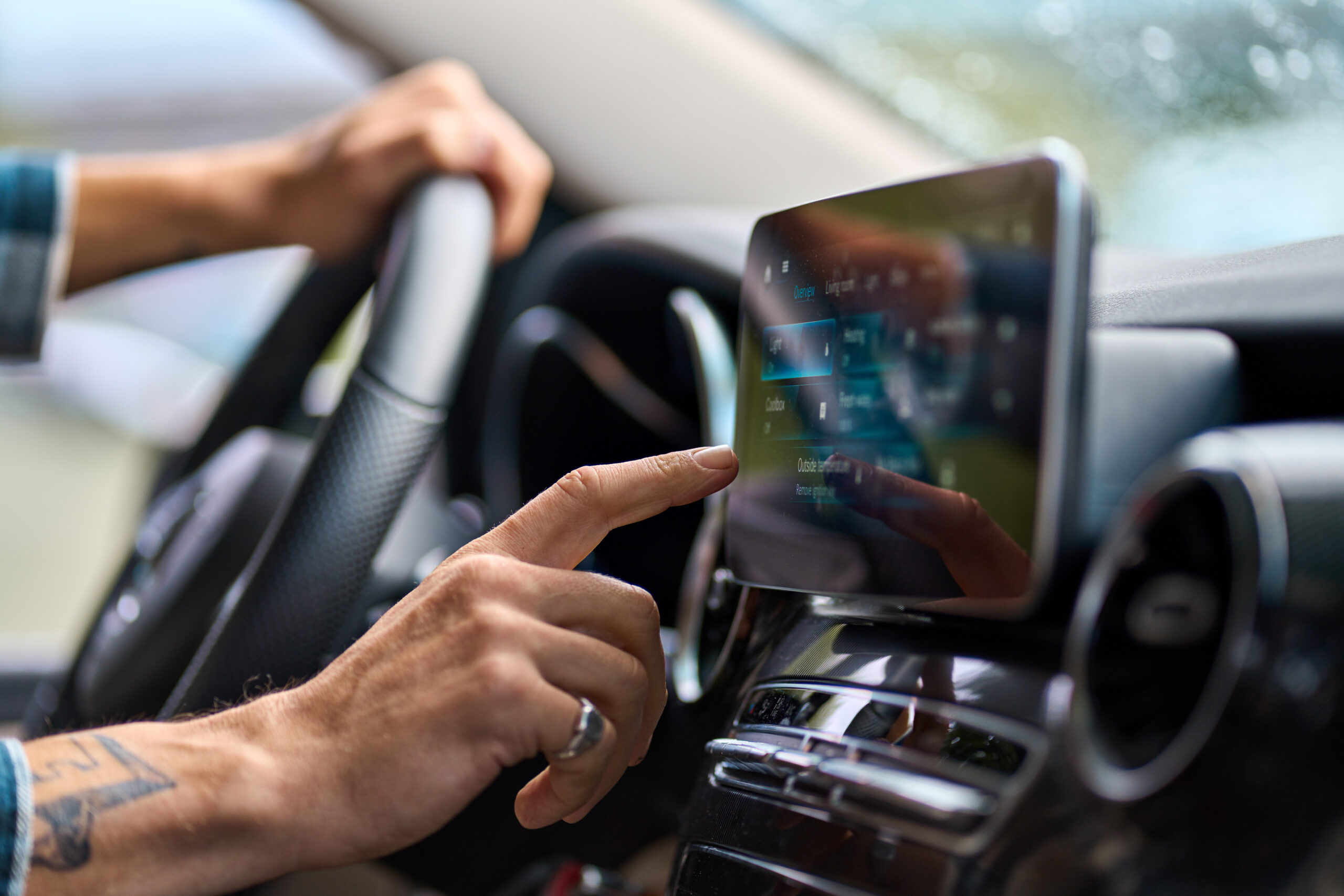
Double-DIN touchscreen receivers are the most popular choice for good reason. They offer large, responsive screens, built-in amplification that outperforms the factory unit, and support for Apple CarPlay, Android Auto, and Bluetooth. For Wrangler owners who spend time on trails and also commute daily, having navigation, music streaming, and hands-free calling on one screen is genuinely useful.
Some manufacturers make Wrangler-specific head units with bezels designed to match the factory dash exactly. These look factory-flush and often include features like built-in backup camera inputs and steering wheel control compatibility out of the box. They cost more, but the fit-and-finish is noticeably cleaner.
For older Wranglers, adding Apple CarPlay to an older Jeep or truck is one of the most common upgrades Fox River Audio handles. The difference between a 2014 JK with a stock radio and one running CarPlay on a 7-inch touchscreen is significant, both in daily usability and perceived value.
Key Features to Look for in a Wrangler Stereo (Apple CarPlay, Android Auto, and More)
Not every feature matters equally for Wrangler owners. Here’s what actually earns its keep:
- Double-DIN sizing: Required for modern touchscreen units. Most Wranglers fit this without a custom dash kit, though a proper adapter plate is still part of a clean install.
- Apple CarPlay and Android Auto: Both wired and wireless versions are available. For Wranglers driven off-road or in areas with weak cell coverage, offline map access through CarPlay and Android Auto adds real value. See how CarPlay installation works on older vehicles.
- Bluetooth: Standard on any unit worth buying. Look for Bluetooth 5.0 or newer for reliable pairing and audio quality.
- SiriusXM compatibility: Many Wrangler owners road-trip or drive in rural areas where streaming drops out. A tuner-ready head unit keeps satellite radio available as a fallback.
- Weatherproofing awareness: The head unit itself typically lives behind the dash and stays dry, but if you frequently ride with the top off, look for units with a water-resistant face or a removable faceplate as a precaution.
- High-voltage preamp outputs: These let you run external amplifiers cleanly. Wranglers often benefit from outboard amplification given the acoustic environment, so a head unit with 4-volt or higher preamp outputs gives you room to grow the system later.
Speaker and Subwoofer Pairing: Getting the Full Picture
A better head unit will immediately improve clarity and output, but the factory speakers in most Wranglers are still a weak link. They’re built to a cost target, not a sound quality target. Aftermarket speakers can make a substantial difference, particularly in the midrange and high-frequency response that gets lost in an open or noisy cabin.
Wranglers have speaker locations in the dash, the A-pillars, the roll bar, and the cargo area depending on the trim. Not every location is worth treating equally. The dash and A-pillar speakers handle the most critical frequencies for voice and music clarity. Those are usually the first upgrade worth making alongside the head unit.
If you’re wondering whether to start with the head unit or the speakers, that question comes up often enough that it deserves its own read: when a head unit upgrade makes more sense than new speakers walks through the logic clearly.
Subwoofers in a Wrangler require more planning than in a sedan. Cargo space is limited, especially in two-door models. Compact powered subwoofers designed for smaller enclosures work well here. Some installers use under-seat or behind-seat mounting solutions that add bass without eating all your gear space.
What a Professional Installation Includes — and Why It Matters
A Wrangler stereo swap looks simple on a YouTube tutorial. In practice, there are several places where a DIY install creates problems that show up weeks or months later.
Dash kit fitment is the first concern. Wrangler-specific dash kits vary by year and trim, and using the wrong one results in a loose or misaligned head unit that rattles on rough terrain. A proper fit also matters for resale: a sloppy-looking install draws the wrong kind of attention.
Steering wheel control retention requires a separate interface module. Without it, swapping the head unit disables the volume and track controls on the steering wheel. Most Wrangler owners use those controls constantly while driving. A professional installer wires in the correct adapter so everything keeps working.
Wiring harness adapters prevent direct splicing into the factory wiring. Cutting factory wires is one of the most common causes of electrical gremlins in aftermarket audio installs. Proper plug-and-play harnesses keep the factory wiring intact. If something needs to come out later, nothing is compromised.
There’s a reason shortcuts catch up with you. Cheap car audio installations create long-term electrical issues that cost more to fix than the original install saved. And if you ever buy a used Wrangler and wonder if the previous owner’s stereo was done right, these are the signs of a bad car audio installation to watch for.
How Much Does an Aftermarket Wrangler Stereo System Cost?
Pricing varies based on the head unit selected, whether you’re also upgrading speakers, and the complexity of the install. Here’s a general breakdown of what to expect:
- Head unit only (entry-level double-DIN with CarPlay): $150 to $300 for the unit, plus installation labor.
- Mid-range touchscreen receiver with wireless CarPlay: $300 to $600 for the unit.
- Wrangler-specific head unit with factory-match bezel: $500 to $900 and up depending on features.
- Speaker upgrades (dash + A-pillar): $100 to $350 per pair depending on brand and driver quality.
- Subwoofer addition: $200 to $600 depending on enclosure type and amplifier needs.
Professional installation adds to those figures, but it also protects your investment. A $400 head unit installed incorrectly can cause $300 worth of electrical repair work. The installation isn’t an upsell; it’s what makes the equipment work the way it’s supposed to.
Total installed cost for a head unit swap with speaker upgrades typically lands between $700 and $1,800 depending on the build. More elaborate systems with amplifiers and subwoofers can run higher. The right starting point is a conversation about your priorities and budget, not a fixed package.
Frequently Asked Questions About Wrangler Stereo Upgrades
The questions below come up regularly from Wrangler owners before they commit to an upgrade. If yours isn’t here, it’s worth a direct conversation with an installer who works on Jeeps regularly.
Frequently Asked Questions
Will an aftermarket stereo fit my Jeep Wrangler without cutting the dash?
Yes, in most cases. Wranglers use a double-DIN dash opening, which is the standard size for modern aftermarket head units. A Wrangler-specific dash kit or trim adapter fills any gap around the new unit and keeps the install looking clean. No cutting required when the right kit is used.
Do I need a special wiring harness for a Wrangler stereo swap?
You do. Jeep uses a proprietary connector that doesn’t match standard aftermarket harness plugs directly. A vehicle-specific plug-and-play adapter bridges the factory connector to the aftermarket head unit without splicing or cutting any factory wires. This is important for keeping steering wheel controls working and avoiding electrical problems later.
Can I add Apple CarPlay or Android Auto to an older Jeep Wrangler?
Yes. Any Wrangler that can accept a double-DIN head unit can run Apple CarPlay or Android Auto after an aftermarket swap. JK-generation Wranglers (2007 to 2018) are very common candidates for this upgrade. The factory radio comes out, the new unit goes in with the proper harness and dash kit, and CarPlay is functional the same day.
Will upgrading the head unit void my Wrangler’s warranty?
In the United States, the Magnuson-Moss Warranty Act generally protects consumers from having a warranty voided simply because an aftermarket part was installed. A dealer would need to demonstrate that the aftermarket head unit directly caused a specific failure to deny a warranty claim on that basis. A professional installation that uses proper harness adapters and doesn’t modify factory wiring further reduces any exposure.
Should I upgrade the speakers at the same time as the head unit?
It depends on your budget and goals. A new head unit alone will improve clarity and output, but factory speakers in most Wranglers are a real limiting factor, especially in JK-generation models. If your budget allows, doing both at once saves on labor since some of the work overlaps. If you need to phase the project, start with the head unit and add speakers next.
How long does a professional Wrangler stereo installation take?
A head unit swap with a proper harness and dash kit typically takes two to three hours for an experienced installer. If you’re also adding speakers, plan for a half-day appointment. More involved builds with amplifiers and subwoofers may require a full day. Calling ahead to describe your setup lets the shop give you a realistic time estimate.
The Wrangler is one of the most capable off-road vehicles built, and its audio system doesn’t have to be the weak point. A properly selected and installed aftermarket head unit with CarPlay, paired with the right speakers for the cab, makes a noticeable difference whether you’re on the highway, a trail in Walworth County, or parked at a campsite with the top off.
Fox River Audio serves Jeep and truck owners across southeastern Wisconsin, including Burlington and Kenosha. If you’re ready to talk through your build or just want to know what your Wrangler actually needs, schedule a car stereo install consultation near Burlington or Kenosha and get a straight answer from people who work on Jeeps regularly.