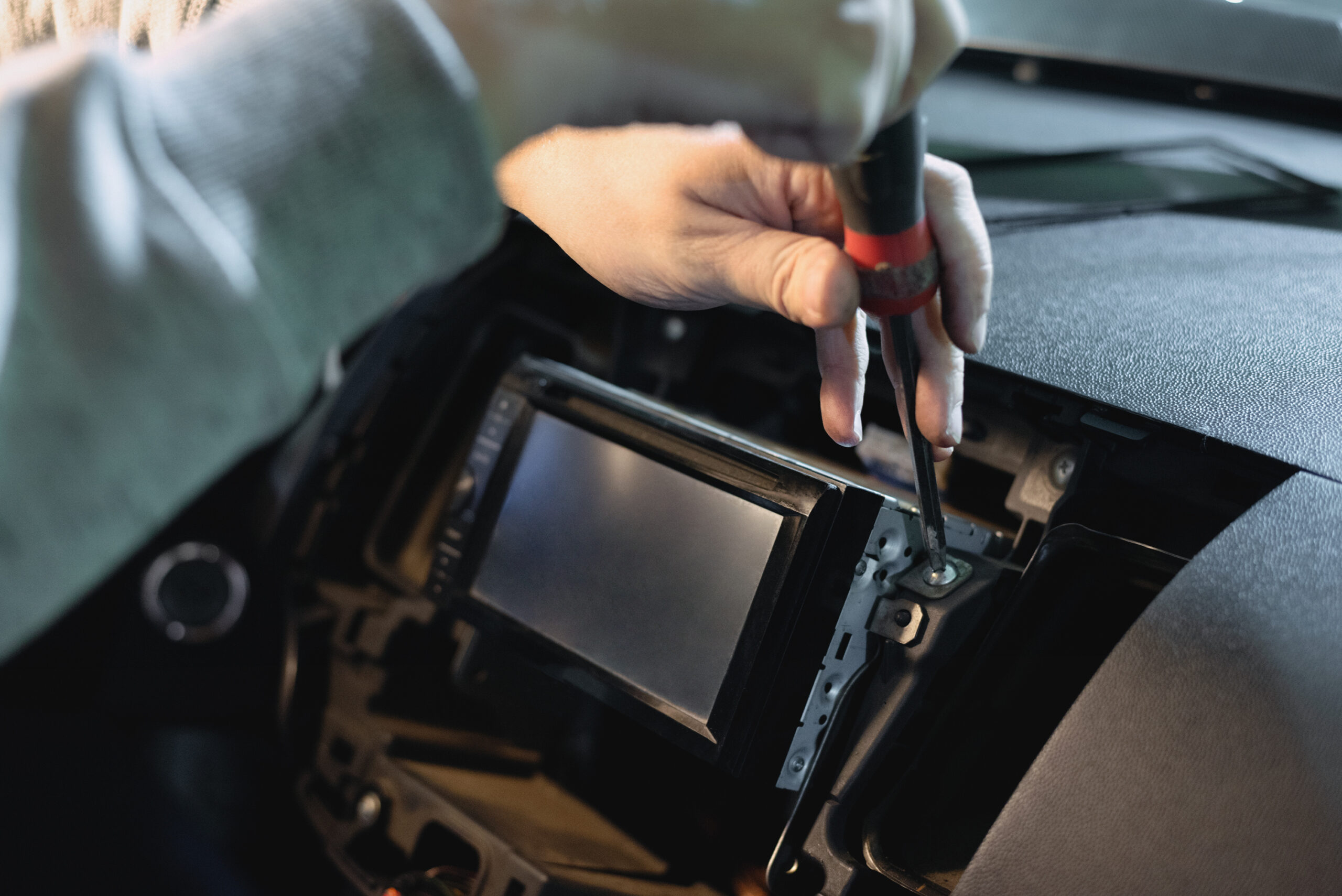
Why Your F-150 Needs A Smart Audio Strategy
If you drive a Ford F-150, you already know the cabin is built for work and weekend runs. What you might not know is how much the cabin shape changes the way your music sounds. Big glass, tough plastics, and wide door panels create reflections and rattles that kill clarity. The right plan turns that chaos into concert-level sound. That is where car audio milwaukee expertise kicks in. At Fox River Audio in Burlington, WI, we tune F-150s every week. We build systems that punch, stage, and stay crystal clear whether you roll SuperCab or SuperCrew.
Let’s break down what makes the F-150 cabin tricky and how to win. You will see how smart speaker choices, DSP tuning, and proper placement matter more than throwing more power at the problem. This is your blueprint to a truck that hits hard, stays clean, and sounds great at any speed.
F-150 Cabin Quirks That Shape Your Sound
- Large doors and thin outer skins vibrate and swallow midbass energy
- Off-axis tweeter angles smear highs and narrow the stage
- Big center console and floor hump reflect mids and add peaks
- Rear seat area creates pressure zones that can boom or cancel sub bass
- Road and tire noise mask details and change your target curve
None of this is a deal breaker. It just means you need a plan, not guesswork. Car audio milwaukee pros like Fox River Audio use measurements and proven layouts to make the cabin work with you, not against you.
The Game Plan: Pro-Level Sound In A Ford F-150
- Set goals and music style. Daily driver clarity, demo-day loud, or balanced street build.
- Baseline the truck. Measure noise, map factory EQ, and check polarity on every speaker.
- Deadening and sealing. Treat front doors first to lock in midbass and kill rattles.
- Build a strong front stage. Quality components up front, rear speakers as light fill.
- Add a DSP. Time alignment, crossovers, and EQ are non-negotiable for a truck.
- Integrate a tight sub. Under seat, behind seat, or custom fit to your lifestyle.
- Upgrade power delivery. Smart wiring, fusing, and Big 3 for clean current and headroom.
- Precision tune. Measure, listen, lock in the tune, and test on real roads.
Front Stage First: Speakers That Stage And Slam
Component Sets That Work In Trucks
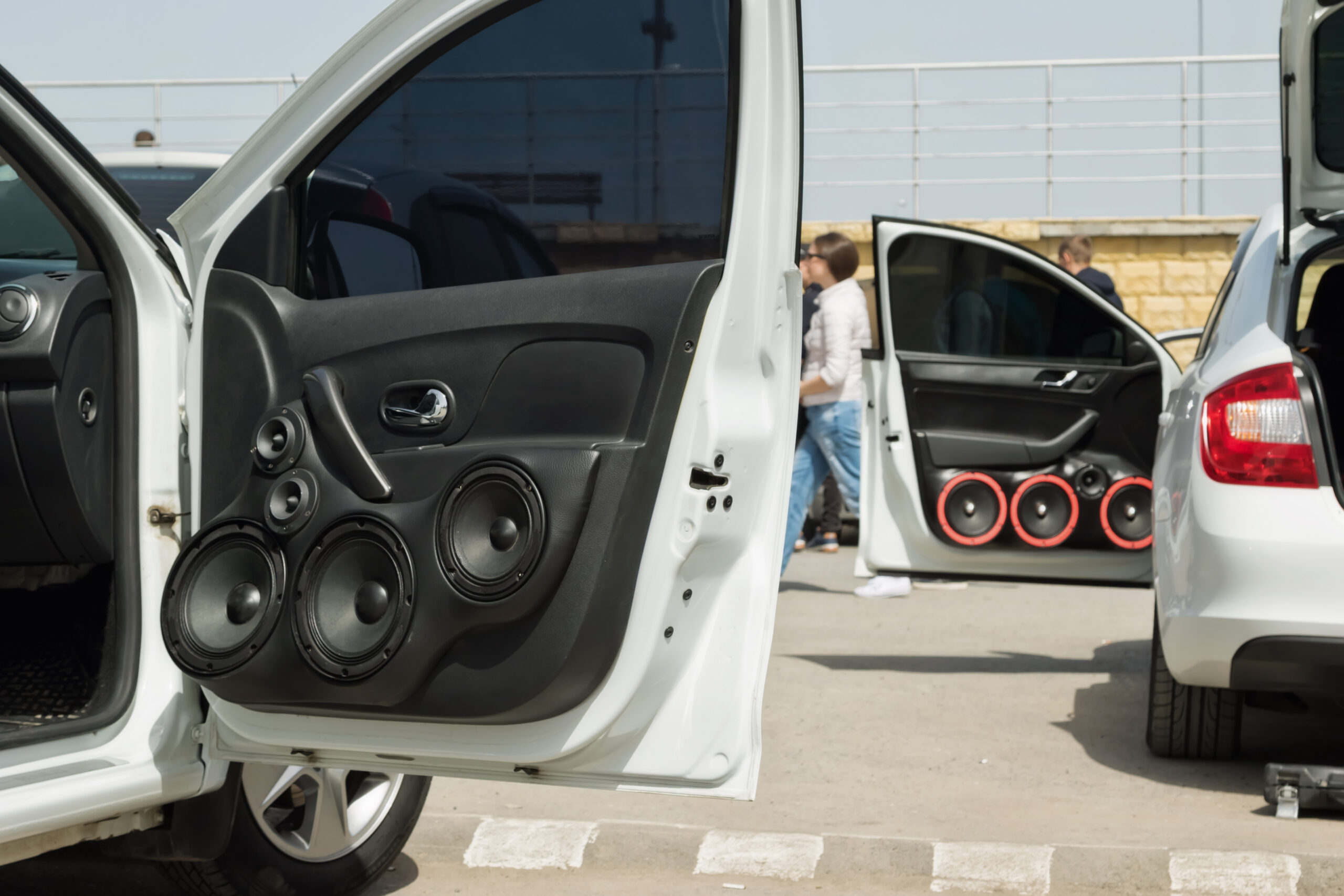
Your front speakers do the heavy lifting. In an F-150, 6×9 components in the doors add surface area for tight midbass. If you run 6.5 components with adapters, choose a strong midbass driver and rigid mounting baffles. Tweeters should land in the sail panels or A-pillars for better path length and a taller stage. Brands we trust at Fox River Audio include Rockford Fosgate, JL Audio, and Kenwood eXcelon. They deliver true power handling, clean top end, and reliable performance in Midwest weather.
Solid mounting wins. We use CNC-cut HDPE or composite baffles, foam gaskets to couple the driver to the door card, and stainless hardware. No flimsy plastic rings that flex. Sealed door cavities with deadening turn thin metal into a real enclosure. That wakes up snare hits and kick drums without cranking the volume.
Rear Fill Without Wrecking The Stage
Rear speakers should support the front stage, not fight it. In crew trucks, coaxials in the back at a lower level add ambience. Use the DSP to roll off highs from the rear so the image stays in front of you. If you chase imaging and detail, run no rear fill at all. For family and shared trucks, light rear fill is the best compromise.
DSP Tuning: The Secret Sauce
Time Alignment
In trucks, your left door is way closer to your ear than your right door. Time alignment delays the closer speakers so sound from each side hits at the same moment. The result is center image on the dash instead of a left-heavy mess. We measure driver distance, tune to the driver’s seat, then audition from the passenger side to keep it friendly for riders.
Crossovers And Slopes
We set crossovers so each driver plays in its comfort zone. A common layout is a midbass low-passed around 2 kHz, tweeter high-passed around the same point, and sub crossed at 70 to 90 Hz. Steeper slopes control overlap and reduce distortion. Trucks often like a slightly higher sub crossover if the under-seat box is small. Your ears and the RTA will confirm the sweet spot.
EQ And Target Curve
Road noise eats low mids and highs, so a flat EQ often sounds weak on the highway. We tune to a gentle target curve with a small bass rise and smooth treble tilt. We cut nasty peaks, not just boost holes. Every F-150 cab is a little different. SuperCrew volume and trim materials shift the curve, which is why car audio milwaukee tuning experience matters.
Subwoofer Systems That Fit Your Life
Under-Seat Enclosures
Under-seat enclosures are the go-to for a clean, OEM look. Sealed boxes with a pair of 8 or 10 inch subs deliver fast, tight bass that keeps up with door midbass. Ported options can add output if you have the space. Custom boxes built to the truck beat universal fits every time. Proper air space and bracing matter more than chasing bigger cones.
Behind-Seat And Custom Wells
For more output, behind-seat enclosures free up air volume. If your seat folds and the space allows, a slim 12 or two can bring demo-day fun while staying daily drivable. Spare tire wells are less common in trucks but creative fiberglass work can house amps or processors. Fox River Audio builds stealth solutions that do not steal utility.
Amp Pairing
Match real amp power to rated sub power with clean headroom. Quality 500 to 800 watts on a pair of efficient subs in the right box hits hard and stays musical. We prefer amps with onboard DSP or pair a clean monoblock with an external processor for full control.
Power And Noise: The Unsung Heroes
Big 3 Upgrade And Clean Current
Strong sound needs stable voltage. The Big 3 upgrade adds larger gauge cable to the alternator positive to battery positive, battery negative to chassis, and engine ground to chassis. Use oxygen-free copper wire, quality lugs, and proper fusing near the battery. This reduces voltage drop and keeps amps from clipping early. If you run lots of power, we test alternator health and recommend a battery upgrade sized to the system.
Sound Deadening And Noise Control
Start with the front doors. One layer of constrained-layer damping on the outer skin, inner skin, and large plastic card areas. Seal service holes with rigid panels or composite plates. Add closed cell foam to decouple panels and mass loaded vinyl for floor and rear wall if drone is a problem. The result is lower road noise, stronger midbass, and better clarity at any volume.
Grounding And Wiring Hygiene
Short grounds to bare metal, star-ground layouts for multi-amp systems, and proper strain relief keep noise out. We use marine-grade tinned copper where needed to fight corrosion in Wisconsin winters. Route signal and power on separate paths. Label and loom everything. Clean wiring is reliable wiring.
Factory Integration Without Drama
Modern F-150 systems often include factory EQ, ANC microphones, or branded packages. We use integration interfaces to grab a clean signal without losing alerts, chimes, or features. If your truck has factory ANC, we disable or bypass it so the sub does not fight the system. The goal is simple. Keep the tech you love and add the performance you want.
Real-World F-150 Upgrade Paths
Daily Driver Clarity Package
Front stage component set from Rockford Fosgate or JL Audio, treated doors, compact 5 channel amp with DSP, and a sealed under-seat 10. Tuned for a wide stage and tight low end. Rear fill set low for family trips. Stealth install that looks stock but sounds anything but.
Work Truck Tough
Weather-resistant coaxials, durable baffles, and a compact DSP amp mounted high to avoid wet boots. Marine-rated sub and enclosure for easy cleanup. Add a dash cam and backup camera for jobsite safety. The tune prioritizes vocal clarity and spoken word so calls and podcasts cut through cabin noise.
Weekend Warrior
Active 2 way front with DSP, dead silent doors, custom behind-seat box with a high efficiency 12, and 800 watts of clean sub power. Two presets on the processor. One for daily drives with a gentle bass rise, one for demo fun with more low end. Still controlled, never sloppy.
Tuning Checklist You Can Use Today
- Reset factory EQ. Turn off loudness, set tone controls flat.
- Set amp gains with test tones. Confirm zero clipping before DSP work.
- Check speaker polarity. Use a polarity pop track or tester.
- High pass the front stage around 60 to 80 Hz to clean up the doors.
- Low pass the sub around 70 to 90 Hz. Adjust by ear for a smooth handoff.
- Rough in time alignment by distance, then fine tune by ear with vocals centered.
- Use pink noise and an RTA to level left and right channels for a stable image.
- Cut peaks first. Small narrow cuts beat big boosts.
- Save multiple tune versions. Road test, then pick your favorite.
- Build a reference playlist. Acoustic female vocal, live jazz, classic rock, and a modern hip hop track you know well.
Fox River Audio: Your Milwaukee-Area Truck Audio Crew
Fox River Audio is your local, rider-approved shop for car audio milwaukee and beyond. We are based in Burlington, WI, in a recently renovated 27,000 square foot facility loaded with interactive demo displays so you can try before you buy. Our team brings decades of installation experience and backs every install with a lifetime workmanship warranty. When we say built right, we mean it.
We carry proven brands like Rockford Fosgate, Kenwood, and JL Audio. From clean factory integration to full custom show builds, our work blends performance with reliability that survives real Midwest weather. If you want an F-150 that sounds like a studio and still hauls like a truck, you are in the right place.
- Custom audio systems for cars, trucks, Jeeps, boats, motorcycles, UTVs, ATVs, and fleet vehicles
- Remote start and security with keyless entry, alarm integration, and GPS
- Marine-grade audio tuned for open water, spray, and sun
- Weather-resistant motorcycle, UTV, and ATV sound systems
- Jeep and truck accessories, from lighting and bed covers to bumpers
- LED and HID lighting upgrades for headlights, fogs, underglow, and emergency use
- Dash cams and safety add-ons like backup cameras, parking sensors, and blind spot monitoring
We live for clean installs, tight bass, and road-proof builds. We also love showing the difference. Swing through to hear A-B demos on our display wall, feel the bass hit in a demo truck, and build your tune with one of our techs. That is the car audio milwaukee experience we deliver.
Placement Tweaks That Make Or Break Your F-150
Tweeter Aiming
Aim tweeters across the cabin, not at your face. Slight toe-in toward the opposite headrest widens the stage and smooths the top end. If your tweeter placement is fixed, use DSP to trim level and tame hotspots.
Midbass Sealing
Seal the speaker to the door card with foam and make sure the inner door skin is air tight. Any leak robs you of punch. Even a half inch gap can kill the kick in your favorite track.
Subwoofer Location
Under-seat subs load the cabin differently than behind-seat boxes. If you hear a dip in upper bass, try flipping sub polarity or adjusting the sub crossover. One small change can lock in the transition between the doors and the sub.
FAQs: What F-150 Owners Ask Us Most
- Q: Do I need a DSP in a truck? A: Yes. The uneven path lengths in a wide cabin make DSP the smartest upgrade you can buy.
- Q: Will deadening really make a difference? A: Absolutely. Treated doors make speakers act like speakers, not noisemakers in a tin can.
- Q: Can I keep my factory head unit and CarPlay? A: Yes. We integrate high quality amps, DSP, and subs without losing factory features.
- Q: How big of a sub do I need under the seat? A: A good pair of 8s or a strong 10 in a proper box hits harder than a random 12 in a bad box. Fitment and tuning beat size bragging.
- Q: Will my electrical system handle an amp? A: With proper wiring and gains, most builds are fine. Bigger systems benefit from the Big 3 and a healthy battery.
- Q: How long does a full truck system take? A: Many builds are done in one to two days. Complex custom work takes longer. We give you a clear timeline up front.
Why car audio milwaukee Drivers Choose Fox River Audio
We tune for the roads you drive, the weather you fight, and the music you love. Our process starts with your goals and ends with a locked-in tune you can feel in your chest. From factory integration to full custom fabrication, our installs look OEM clean and hit way above stock. You are not just buying gear. You are joining a crew that backs its work for life.
We invite you to see the difference in person. Explore our demo boards. Hear how a treated door changes the game. Test a Rockford Fosgate front stage next to a Kenwood or JL Audio setup. Pick the flavor that fits you. That is the power of a shop that lets you try before you buy.
Book Your F-150 Audio Upgrade
Ready to master your F-150 cabin and crush your commute with real sound? Fox River Audio is the name behind car audio milwaukee results that last. Stop by our Burlington showroom, map out your system with our team, and lock in your install date. From smart upgrades to full builds, we make trucks sound insane and drive like stock. Elevate your truck audio. Book now. Start today.