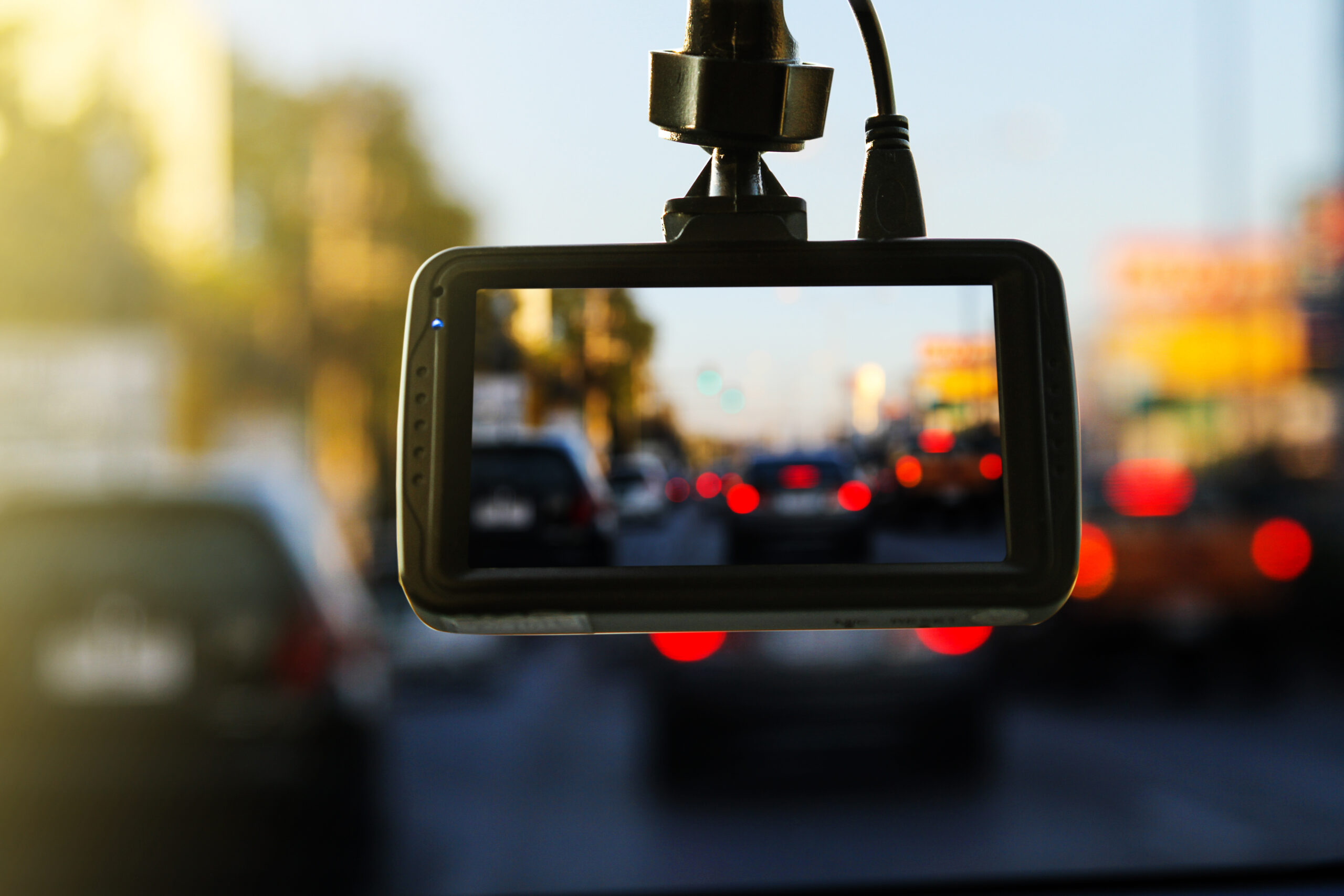
Why Dash Cams Matter for Insurance
Searching for a car electronics shop near me because you want to add a dash cam and possibly lower your insurance? You are in the right place. Many insurers now recognize dash cam footage as useful evidence that can speed up claims, reduce fraud, and confirm who is at fault. Some carriers even offer discounts for eligible devices or for vehicles that have continuous video monitoring. While a dash cam is not a magic ticket to cheaper rates, it can be a smart way to protect your wallet, your time, and your peace of mind.
Insurers care about risk. A clear video record reduces uncertainty after a crash. When fault is proven quickly, claim costs tend to drop. That is good for the insurer and it often helps the driver who installed the camera. Even when there is no formal discount, people with dash cams often see smoother claim handling, faster payouts, and fewer disputes. That alone can make a dash cam worth it.
Discounts vary. Some carriers list an official dash cam or anti theft discount. Others offer savings through safe driving programs that use telematics or connected camera features. In many markets, the discount can range from a small one time credit to a few percent off your premium. Always check with your agent and ask what proof is needed. A receipt from a trusted car electronics shop near me that shows professional wiring can help validate the install.
What Insurers Look For
Even when a formal discount is not offered, carriers tend to value certain dash cam features because they improve claim quality. Look for models and installs that meet these needs.
- Reliable power so the camera records during driving and when parked, within battery safety limits
- Clear video at day and night with good dynamic range and sharp plate capture
- Accurate date and time stamps, plus optional GPS speed and location
- Impact detection that locks files to prevent overwrite
- Dual channel coverage for both front and rear to show complete events
- Parking mode with buffered recording to capture motion or impacts before and after they occur
- Secure storage with high endurance microSD cards designed for constant writing
Why Pro-Wiring Beats a Plug-In Setup
Constant Power and Parking Mode
A basic plug to the 12V outlet only records while the outlet is live. Many cars cut power to that outlet when the engine turns off. Pro wiring, also called hardwiring, connects the dash cam to specific fuse circuits that allow safe continuous power. This lets parking mode run so the camera records bumps, hit and runs, and vandalism around the clock within preset voltage limits. If you park on the street or in shared garages, this feature can be the difference between paying a deductible and sharing clear footage that helps recover costs.
Clean Routing That Protects Airbags and Trim
Professional installers use trim tools, service data, and safe routing paths to hide cables behind the headliner and pillars while avoiding airbag deployment zones. They secure the harness so it will not rattle or chafe over time. A neat, factory style finish looks better and prevents snags. Done wrong, cables can block sensors or interfere with safety systems. A certified technician at a car electronics shop near me knows how to avoid those problems.
Battery Protection and Power Management
A quality hardwire kit includes a voltage cutoff. When your battery dips to a set threshold, the kit powers down the camera to protect your ability to start the engine. Pro wiring also ensures the camera pulls power from the right circuits. This keeps your vehicle network stable and prevents diagnostic faults. If you live in a cold climate or take short trips, proper voltage management is vital.
Reliability in Heat and Cold
Many premium dash cams use supercapacitors instead of lithium batteries. They handle high cabin heat and winter cold better. A skilled installer will guide you to the right model for your climate. They will also position the camera where the defroster can clear the lens and where heat load is lower, which improves long term reliability.
How Pro-Wiring Works
Here is what a typical professional install looks like when you choose a trusted car electronics shop near me.
- Consultation: Discuss goals like insurance documentation, parking protection, and fleet or teen driver monitoring. The shop confirms local mounting laws and reviews your windshield layout.
- Camera Selection: Pick front only, front and rear, or front and interior for ride share. Consider resolution, night performance, HDR, and cloud features.
- Mounting Plan: Decide on exact placement near the rearview mirror to center the road view while keeping sensors and the driver’s view clear.
- Power Strategy: The technician chooses a proper constant and accessory fuse using add a circuit taps and a solid chassis ground. OBD adapters are avoided unless approved by the vehicle maker.
- Wire Routing: Cables are tucked along factory paths, avoiding airbag zones. Rear camera cables run through trim to the rear glass with strain relief added at hinges when needed.
- Battery Safeguards: The hardwire kit voltage cutoff is set to a safe level for your car type and climate.
- App Setup: The tech syncs time, updates firmware, sets video quality, parking mode sensitivity, and motion zones.
- Testing: The installer verifies ignition on and off behavior, parking triggers, GPS lock, and file protection during an impact event.
- Handover: You get a walkthrough on saving clips, formatting the card, and what to show an adjuster if a claim occurs.
Choosing the Right Dash Cam
There are many great models. The best choice depends on how and where you drive. A helpful car electronics shop near me can match your needs with the right features.
- Resolution and Optics: Aim for at least 1080p with high bitrate. Many drivers prefer 2K or 4K for sharper plates. Look for Sony or Omnivision sensors and a wide dynamic range or HDR.
- Field of View: Around 130 to 150 degrees often balances coverage and detail without heavy distortion.
- Night Performance: Large apertures, good noise control, and HDR help in low light and glare.
- Dual Channel: A rear camera adds context that insurers value. For ride share or carpools, consider an interior camera with infrared.
- Parking Mode: Buffered parking mode records a few seconds before and after motion or impact. This helps show the full story of a hit and run.
- Storage: Use high endurance microSD cards built for constant write cycles. 128 GB to 256 GB is a smart target for dual channel setups.
- Connectivity: Wi Fi makes clip transfers easy. Cloud and LTE modules can alert you to impacts when away from the car.
- Power Design: Supercapacitors handle heat better and are often preferred for long life.
Cost vs Savings: Does It Pay Off?
The out of pocket cost includes the camera and the installation. For many drivers, a solid front and rear setup plus professional wiring falls in the mid to upper hundreds. Some premium cloud systems cost more. What about savings? A small insurance discount may cover a piece of the cost over time. For example, a 5 percent discount on a 1200 dollar annual premium is 60 dollars a year. If your total setup is 500 dollars, that part of the payback may take several years. The bigger win often comes from avoiding out of pocket losses. One clear clip that proves you were not at fault can prevent a deductible charge and a possible surcharge later. Parking mode can document a hit and run so the at fault party pays. Over a few years of driving, that protection can far outweigh the initial cost.
Legal and Privacy Tips
Always follow local rules for mounting and recording. A qualified car electronics shop near me can help you stay compliant.
- Placement: Many areas allow a small device near the top center of the windshield. Keep it out of the driver’s direct view and away from sensors. Check state or provincial rules.
- Audio Recording: Consent rules vary. Consider turning off audio or use visible notices if you drive for hire or carry passengers.
- Data Handling: Keep footage private. Share only with insurers, law enforcement, or your attorney. Lock important clips so they are not overwritten.
- Work Vehicles: If you manage a fleet, post a recording policy and train drivers on proper use.
DIY or Pro Install?
Some drivers plug in a camera and call it done. That can work for short term use, but it misses parking protection and often leaves messy cables. DIY hardwiring is possible if you have the right tools and service data. Still, modern cars use complex wiring and sensitive airbag systems. Mistakes can trigger faults or drain the battery. A professional installation from a reputable car electronics shop near me protects your vehicle and gives you clean, reliable power with built in safeguards. Many shops include a workmanship warranty, and a receipt from a pro can also help show your insurer that the system is installed correctly.
What to Expect from a Trusted Shop
When you book with a skilled car electronics shop near me, you should expect a clear process, transparent pricing, and support after the install. Look for trained technicians who follow vehicle specific routing, use quality fuse taps, and test every function before return. A good shop will ask about your daily parking habits, climate, and insurance goals. They will then set voltage cutoffs, motion sensitivity, and recording profiles to match your needs. Many shops also offer lens cleaning, firmware updates, and card replacements as part of routine service.
Maintenance and Best Practices
Keep your system reliable with a few simple habits. These steps help your camera perform when you need it most.
- Format the memory card monthly in the camera menu to refresh file tables.
- Update firmware a few times a year to add features and fix bugs.
- Clean the lens and windshield area regularly to keep video sharp.
- Check time, date, and GPS accuracy after daylight savings or service.
- Review a sample clip monthly to confirm audio, video, and G sensor locks are working.
- Set a proper voltage cutoff, especially for cold climates or irregular driving patterns.
- Carry a spare high endurance card for long trips and lock important clips after incidents.
Frequently Asked Questions
Will a dash cam always lower insurance?
Not always. Some insurers offer a discount, while others only consider footage during a claim. Ask your agent if your carrier has a dash cam or connected device credit. Keep proof of professional install from a car electronics shop near me since documentation can help.
Do I need front and rear cameras?
Front only coverage is better than nothing, but front and rear gives a fuller story. Rear footage helps in many events like tailgating crashes, parking lot bumps, or lane changes. Insurers value a complete record.
Will parking mode drain my battery?
Pro wiring with a voltage cutoff protects your battery by shutting the camera down before it gets too low. Settings can be tailored to your vehicle and climate so you get the coverage you want without risking a no start.
What about ride share or teen drivers?
Interior cameras with infrared can protect ride share drivers by documenting behavior and events inside the cabin. For new drivers, a dash cam encourages better habits. You can review clips together and set clear rules.
Is cloud connectivity worth it?
Cloud features can send alerts after an impact, let you view live video, and back up key clips. This is helpful if you park on the street or manage more than one vehicle. For some drivers a high endurance local card is enough. For others, remote alerts bring extra peace of mind.
Can a dash cam void my warranty?
No, but damage from a poor install can. Using a dedicated hardwire kit, add a circuit taps, and safe grounds avoids splicing factory wiring. A professional car electronics shop near me will document the process and preserve your warranty rights.
Ready to Install? Here Is How to Get Started
If you are ready to protect yourself and explore possible insurance savings, talk with a trusted car electronics shop near me. Bring your goals, your vehicle info, and your insurer’s discount requirements if available. Ask for a model that balances detail and storage, add a hardwire kit with battery protection, and have the shop set up parking mode to match where you park. Leave with a clean install, a quick tutorial, and confidence that your car is covered whether you are on the road or away from the wheel.
A well chosen, pro wired dash cam can save you money, time, and stress. It can help settle claims faster, support fair outcomes, and deter bad behavior around your vehicle. The right partner makes all the difference. Book a consultation with a reputable car electronics shop near me today and drive with proof on your side.