
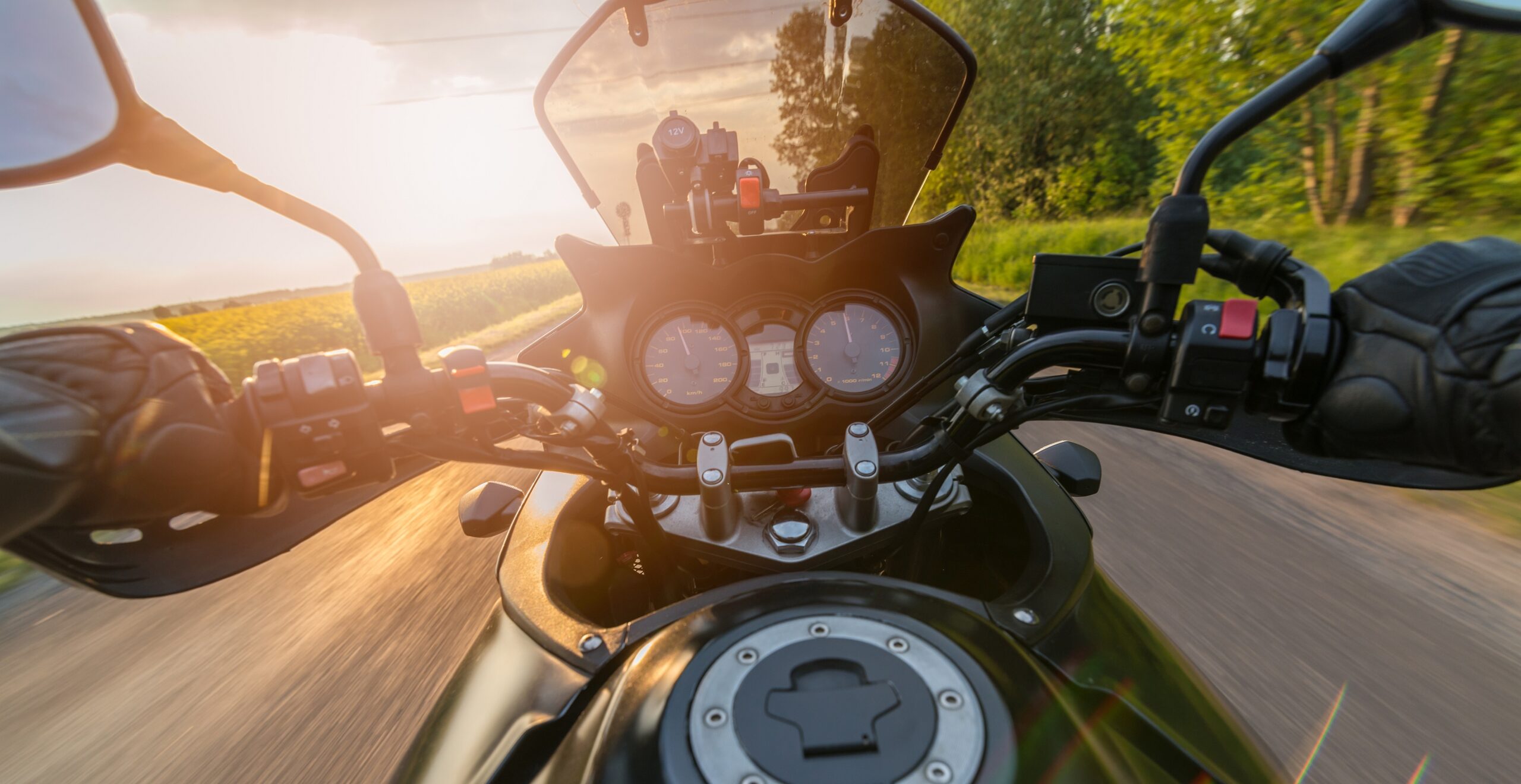
Motorcycle audio system highway speed: real-world tests, gear picks, and setup tips for clear sound at 70+ mph. Learn what works and upgrade your ride today.
Why Highway-Speed Motorcycle Audio Is So Hard
Riding at 70 to 80 mph turns your cockpit into a wind tunnel. Wind roar off the helmet, engine pulse, exhaust note, and tire noise add up to a wall of sound. On many bikes that noise can hit 95 to 105 dB at your ears. That is louder than most living room speakers can overcome, and it keeps changing with crosswinds and road surface. This is why a motorcycle audio system that sounds decent in the driveway falls apart at highway speed.
Good news: with the right parts, smart placement, and proper tuning, you can get clear music and strong vocals even when the speedometer climbs. At Fox River Audio in Burlington, WI, we run real-world tests, ride our own builds, and lean on decades of install experience to deliver that result every day.
The Real-World Test: Can You Hear the Lead Vocal at 70+ mph?
Forget spec sheets for a second. When we evaluate a motorcycle audio system at highway speed, we ask one simple question: can you hear the lead vocal and snare drum clearly at 70+ mph without painful volume? If the answer is no, either the speakers are not efficient enough, the amp is underpowered, the aiming is wrong, or the tuning is off. Usually it is a mix of all four.
The Variables That Matter Most
- Speaker sensitivity above 90 dB at 1W/1m for fairing speakers
- Real RMS power from a compact amp, often 150 to 300 watts per channel
- Speaker placement that fires toward your head instead of your knees
- Weather-resistant drivers and hardware to survive a Midwest season
- High-pass filters to protect small speakers and cut mud
- Proper EQ to tame harshness and lift vocals
Speaker Choices That Cut Through Wind
On most bikes, your front stage does the heavy lifting. You sit close to it, so it can work in a semi near-field way. That is your advantage. Choose speakers that are efficient, built for outdoors, and tuned for midrange clarity.
Best Sizes for Most Bikes
- 6.5 inch fairing speakers: the sweet spot for many Harley and metric touring fairings
- 6×9 bag lid speakers: great for adding headroom and midbass without a sub
- Tweeters or horn-loaded drivers: use sparingly for bite and projection
What to Look For in a Speaker
- High sensitivity: 90 to 96 dB is where highway wins begin
- Marine-grade build: UV stable cones, rubber surrounds, stainless hardware
- Shallow mounting depth if your fairing is tight
- Water-resistant crossovers or integrated designs
- Frequency focus on 200 Hz to 5 kHz for vocals and guitar
At Fox River Audio we stock proven options from Rockford Fosgate, Kenwood, and JL Audio because we have ridden them in rain, wind, and winter storage. We pick by performance first, brand second, and we invite you to try them on our interactive demo displays before we install anything on your bike.
Power You Can Feel: Amps That Don’t Tap Out
Speakers without clean power get thin fast at speed. A solid compact amplifier is the heart of a highway-ready motorcycle audio system. Choose an amp that delivers real RMS power, stays efficient so it does not overload your stator, and handles moisture and vibration.
How Much Power Do You Need?
- Front fairing only: 150 to 200 watts RMS per channel is a good target
- Front plus bag lids: 4 channels at 150 to 200 watts RMS each
- With midbass or a small sub: add a dedicated mono channel at 300 to 600 watts RMS
Look for weather-resistant amps with sealed controls and high input voltage support. Many modern bike amps accept speaker-level inputs so you can keep a factory radio or a compact gauge-style source. We measure voltage drop and charging performance in the shop to make sure your charging system can support the load before we let a build roll out.
DSP and Tuning: The Secret Sauce
Digital signal processing is not just for show cars. On a bike, DSP lets us shape the sound to beat wind noise and boost the ranges your ears can hear over the roar. You also get protection for small speakers so they survive long rides at volume.
Core Tuning Moves for Highway Clarity
- High-pass filters at 80 to 120 Hz for fairing speakers to keep the cones clean
- Slight midrange lift around 1 to 2 kHz for vocals
- Controlled presence boost around 3 to 4 kHz for crisp snare and guitar
- Tamed peaks above 6 kHz to reduce harshness with helmets
- Limiter settings to prevent clipping when that favorite track spikes
We tune by ear and by measurement. Our team uses real-time analyzers, then validates on the highway. The goal is not pretty graphs. The goal is a motorcycle audio system that keeps the vocal locked in at highway speed.
Source Units and Controls That Survive the Weather
Connectivity should be simple and rugged. Many riders want quick Bluetooth, glove-friendly controls, and daylight readable displays. Marine radios and compact gauge-style units are reliable picks for bikes because they are sealed and bright in the sun.
Popular Source Choices
- Marine head units with big buttons and IP-rated faceplates
- Gauge-style media receivers that fit factory openings
- Weatherproof Bluetooth controllers if you want to hide a source
- Factory radio retention with a clean line output for stealth builds
Fox River Audio integrates handlebar controls when possible and ensures your phone pairs fast. We test mounting angles to cut glare and keep you focused on the road.
Helmet, Windshield, and Fairing: Your Acoustic Allies
Your gear and bike shape the sound more than you might think. A small change can add 3 to 6 dB of perceived clarity, which feels like a big power upgrade without adding a single amp channel.
Quick Wins
- Helmets: a snug full-face or modular design often reduces wind noise by a few dB
- Earplugs: high fidelity plugs lower noise while keeping music details
- Windshields: a slightly taller screen can push turbulent air above your helmet
- Aiming: pivot speakers so they face your head, not your elbows
We will help you test sit positions and speaker aim inside our 27,000 sq ft Burlington facility, then fine tune on a road test loop around the shop.
Weather Resistance: Build It Like a Boat
Rain happens. So does dust, washdowns, and UV abuse. Marine-grade gear is not just marketing. It is a survival kit for your bike audio.
Weatherproofing Checklist
- Speakers with composite cones, rubber surrounds, and UV-safe grills
- Amps with sealed pots and corrosion-resistant boards
- Heat-shrink and marine-grade connectors on every joint
- Dielectric grease on exposed terminals
- Drip loops and hidden drain paths in fairings and bags
Fox River Audio builds motorcycles like we build boats, because Wisconsin weather will test your gear. We back our workmanship with a lifetime warranty, so we treat every crimp and grommet like it is our own bike.
Electrical System: Feed the Beast
Audio power has to come from somewhere. High-output systems can draw 20 to 50 amps during peaks. We measure your charging system and plan the wiring so your bike stays happy.
Power Planning Tips
- Use proper gauge power wire with a fused run direct from the battery
- Upgrade grounds and check frame connections for corrosion
- Consider an AGM or lithium battery if you add multiple amps
- Set amp gains properly to prevent clipping and wasted current
We also prevent ground loops and alternator whine with careful routing and shielded signal cables. No buzz, no pop, just music.
Bag Lids, Midbass, and Sub Options
Deep bass is tough on a bike in open air, but midbass punch is realistic. Bag lid speakers add cone area so you feel kick drums and bass guitar without blowing up your fairing drivers.
What Works on the Road
- 6×9 coaxials in bag lids for added output and midbass
- Dedicated midbass in lids paired with fairing tweeters for a strong front stage
- Compact subs in a saddlebag for riders who want real low end at lower speeds
We high-pass fairing speakers and let the lids carry 80 to 200 Hz. That keeps the front clear and the low end tight. If a sub is added, we set a steep low-pass and keep levels sensible so you do not lose headroom at 75 mph.
What Does Not Work at Highway Speed
- Cheap car speakers without marine treatment
- Tiny 5.25 inch fairing speakers asked to play bass
- Underpowered amps with inflated peak watt numbers
- No tuning or filters, which leads to blown drivers and harsh treble
- Randomly aimed speakers firing into the wind or your knees
Starter to Pro: Sample Build Paths That Actually Deliver
Stage 1: Clear and Loud Front Stage
- High-sensitivity 6.5 inch fairing speakers
- Compact 2 channel amp at 150 to 200 watts RMS per channel
- High-pass at 100 Hz and a gentle vocal lift
- Factory or simple marine source with Bluetooth
Great for riders who cruise at 60 to 70 mph and want strong vocals. Clean, simple, and reliable.
Stage 2: Add Bag Lids for Headroom
- Keep Stage 1 front stage and add 6×9 bag lid speakers
- Upgrade to a 4 channel amp or add a second amp
- Dial in DSP with a focus on vocal clarity and midbass punch
Perfect for steady 70 to 80 mph rides. Way more headroom and fuller sound without chasing sub-bass that gets lost to wind.
Stage 3: Touring Beast With Smart Bass
- High-efficiency front stage plus bag lids
- Dedicated mono amp feeding a compact sub in one bag
- Advanced DSP with limiters and ride-tested EQ
- Electrical upgrades as needed to support current draw
This is for the rider who wants it all. Keep the sub tasteful on the highway and let it eat in town.
Tuning at Fox River Audio: How We Dial It In
- Baseline check: ride the bike and log noise levels around the rider
- Mechanical prep: aim speakers, tighten hardware, weatherproof connections
- Electrical validation: charging system check, voltage drop test, fuse sizing
- DSP setup: filters, EQ, time alignment if useful, and limiter settings
- Road test: multiple tracks at 60 to 80 mph, then tweak for clarity
- Final lock: secure settings, label gains, and show you how to use it
We hand you a bike that is road proven, not just pretty on the lift. Our team has decades of installation experience and backs the work with a lifetime workmanship warranty.
Bluetooth, Streaming, and Phone Tips
Most riders stream from a phone. That is fine as long as you set it up right. Keep your phone volume near max without clipping. Turn off sound enhancers that add distortion. Use high quality streaming settings in your app.
Quick Phone Setup Tips
- Use the highest quality streaming setting available
- Disable bass boost or loudness features in the app
- Set phone volume around 90 to 100 percent, then adjust on the radio
- Use a rugged mount that does not block the display or speakers
Local Riders: Why Choose Fox River Audio
Fox River Audio is your local crew for motorcycle audio in Burlington, WI. We are riders, installers, and test junkies. Our 27,000 sq ft renovated facility has room for bikes, boats, Jeeps, and demo walls you can hear. Try before you buy is not a slogan here. It is how we help you pick the right gear for your riding style.
We build custom audio systems for motorcycles, UTVs, ATVs, Jeeps, cars, boats, and even fleet vehicles. We also handle remote start and security upgrades like keyless entry, alarm integration, and GPS tracking. If you want lighting, we do LED and HID upgrades for headlights, fogs, underglow, and emergency lighting. Need dash cams, backup cams, parking sensors, or blind spot monitoring? We install those every week. Everything we do is backed by a lifetime workmanship warranty, because we want you to ride with confidence.
We carry top-tier brands like Rockford Fosgate, Kenwood, and JL Audio. We pick parts that can live through Wisconsin winters and summer storms. When your bike leaves Fox River Audio, the sound is tuned, the wiring is clean, and the system is ready for long miles.
FAQs: Motorcycle Audio System Highway Speed
Can I get deep bass at 75 mph on a bike?
You can feel midbass and some low end, but open air kills deep sub-bass at speed. Focus on efficient front speakers and bag lids for punch. Add a sub if you want low end at lower speeds, then tune it so it does not steal headroom on the highway.
How much power is too much for my charging system?
It depends on your stator and battery. Many bikes can handle a 4 channel amp at 150 to 200 watts per channel without issue. Bigger systems may need an electrical check and sometimes a battery upgrade. Fox River Audio tests current draw during setup so you ride worry free.
Do I need DSP, or will an EQ knob do?
A simple EQ helps, but DSP lets you set precise filters and limiters that protect speakers and keep vocals clear at speed. It is the best upgrade after speakers and an amp.
Are helmet speakers better than bike-mounted speakers?
Helmet setups can work well at any speed, but many riders prefer the freedom and social vibe of onboard speakers. With the right parts and tuning, onboard speakers can stay clear at highway speeds.
Will rain ruin my audio?
Not if you use marine-grade gear and proper installation. We use weather-resistant components, sealed connections, and stainless hardware so your system survives real riding.
Ready to Hear Your Music at 70+ mph?
If your playlist disappears once you hit the freeway, you do not need to accept it. Build the right motorcycle audio system for highway speed with efficient speakers, real power, smart DSP, and clean install work. Fox River Audio in Burlington, WI is ready to help you pick, test, and tune a setup that keeps the vocal locked in no matter how fast you roll. Stop by to demo speakers and amps on our interactive displays, or set a time for a ride-in evaluation. We will show you what actually works, then build it like it is our own bike.

